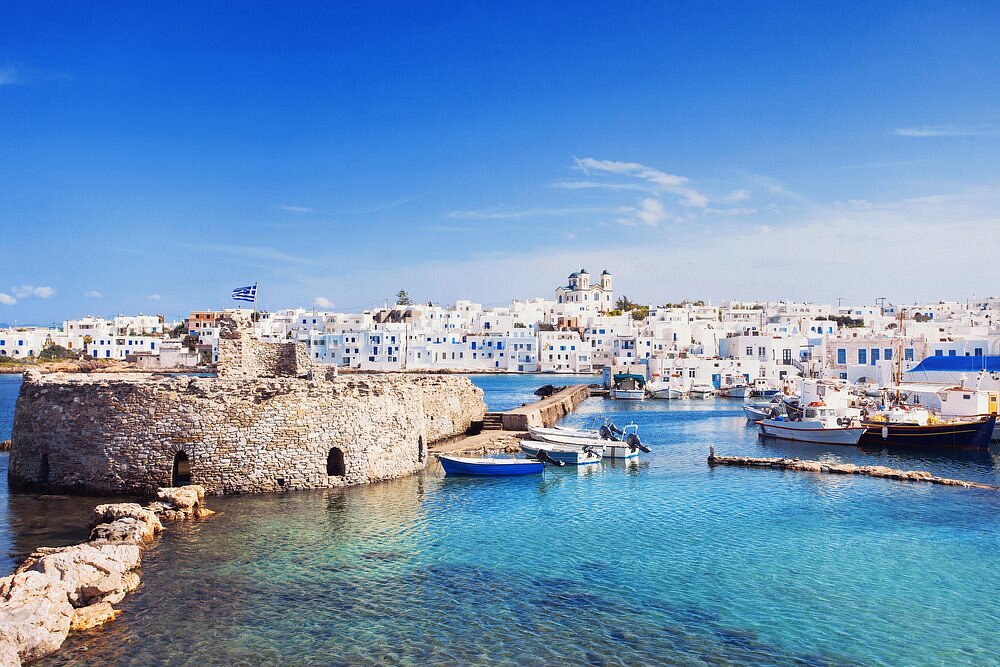
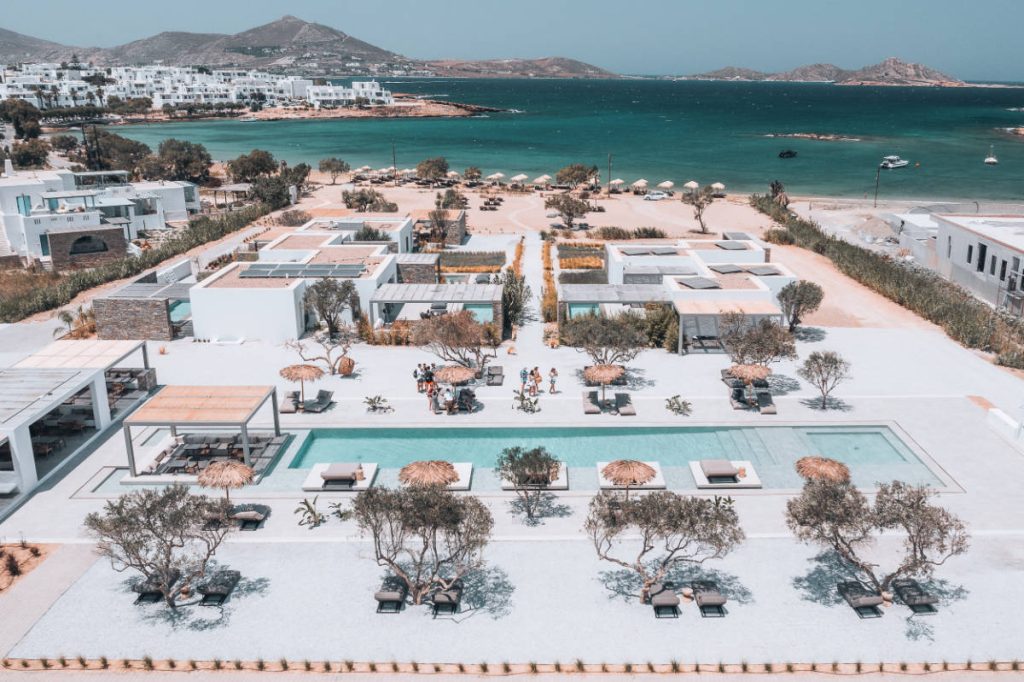
Welcome to Paros Travel Guide ! Paros is one of the most loved islands in the Cyclades — famous for its golden beaches, whitewashed villages, lively nightlife, calm blue waters and laid-back Greek island charm. It has the beauty of Mykonos, the food of Naxos, and the vibe of a real, lived-in island… without the extreme crowds and prices.
Paros is famous for beaches and lively villages, but beyond the popular spots lies a quieter side of the island waiting to be discovered. From peaceful coves and mountain villages to scenic viewpoints and authentic local taverns, these Paros hidden gems reveal the island’s true character. If you’re looking to explore beyond the usual tourist routes, this guide will help you find the most rewarding secret places.
Paros is one of the best islands in the Cyclades to experience traditional Greek architecture. Whitewashed houses, narrow stone alleys, blue doors, and marble details create the classic island aesthetic travelers expect. Beyond its beaches, the island’s built environment reflects centuries of history, craftsmanship, and adaptation to climate. This guide explores the most distinctive features of Paros architecture and where to see them.
Understanding local customs makes any trip to Paros more enjoyable. The island has a relaxed atmosphere, but traditions and etiquette still play an important role in daily life. From greetings and dining manners to church visits and tipping culture, this guide explains essential Paros etiquette so visitors can interact respectfully and confidently with locals.
Paros is home to some of the most important religious monuments in the Cyclades, reflecting centuries of spiritual, architectural, and cultural history. From early Christian basilicas and Byzantine chapels to quiet hilltop monasteries, the island offers meaningful places for reflection and exploration. This guide highlights the most significant Paros churches and monasteries you can visit during your stay.
Why Visit Churches and Monasteries in Paros
Churches in Paros are more than religious sites — they are central to island life. Visiting them allows you to:
Explore early Christian and Byzantine architecture
Understand local traditions and religious customs
Enjoy peaceful settings away from crowds
Discover historic villages and landscapes
Experience Paros beyond beaches and nightlife
Many churches are open year-round and free to visit.
Most Important Churches in Paros
Panagia Ekatontapyliani
Located in Parikia, this is the most famous church in Paros and one of the oldest Christian monuments in Greece. Dating back to the 4th century, it is a major pilgrimage site and architectural landmark.
Agios Konstantinos
A striking church in Lefkes village, known for its bell towers, marble details, and panoramic views over the island.
Agios Athanasios
Situated near Naoussa, this church offers scenic views and a calm atmosphere, making it a lovely stop during village exploration.
Historic Monasteries in Paros
Monastery of Longovarda
One of the most important monasteries on the island, located near Naoussa. Longovarda is known for its spiritual heritage, manuscripts, and traditional architecture.
Monastery of Thapsana
Perched on a hill with stunning views, Thapsana Monastery is both a religious and scenic highlight, especially beautiful at sunset.
Traditional Village Chapels
Lefkes
Home to several small chapels tucked into narrow alleys, Lefkes offers a strong sense of traditional religious life.
Marpissa
Marpissa features numerous whitewashed chapels and churches, many dating back centuries.
Prodromos
Known for its preserved architecture and peaceful chapels, ideal for quiet walks and cultural discovery.
What to Expect When Visiting Paros Churches
Modest dress is recommended
Silence and respect are expected
Photography may be limited inside
Churches are usually open in the morning
Entry is typically free
Some monasteries have restricted access areas
Visiting hours may vary, especially outside summer.
Religious Festivals and Celebrations
Many Paros churches host important religious celebrations throughout the year, including:
Patron saint feast days
Processions through villages
Community meals and gatherings
Traditional music and local customs
These events offer a deeper insight into Parian culture.
Best Time to Visit Churches & Monasteries
Morning for cooler temperatures and open access
Spring and autumn for quiet exploration
Winter for authentic local experiences
Avoid midday heat during summer
Church visits pair well with village walks and museums.
Tips for Visiting Religious Sites in Paros
Wear clothing that covers shoulders and knees
Bring water, especially for hilltop monasteries
Be respectful during services
Ask locals about lesser-known chapels
Combine visits with nearby villages
Avoid peak tourist hours when possible
Conclusion
From monumental basilicas to secluded hilltop monasteries, Paros churches reveal the island’s spiritual heart and historical depth. Visiting these sacred sites offers calm, reflection, and cultural insight that beautifully complements Paros’ natural and culinary attractions. Whether you are interested in history, architecture, or quiet moments, Paros’ religious landmarks are well worth exploring.
Paros is often associated with beaches and island life, but it also has a long and fascinating history shaped by ancient civilizations, early Christianity, and traditional Cycladic culture. From archaeological museums to Byzantine churches and historic villages, the island offers meaningful cultural experiences for visitors who want to explore beyond the coastline. This guide covers the most important Paros museums and historical sites worth visiting.
Why Visit Museums and Historical Sites in Paros
Exploring cultural landmarks in Paros allows you to:
Understand the island’s ancient and religious history
Learn about Parian marble and classical art
Experience traditional village architecture
Balance beach time with cultural discovery
Visit quieter, non-touristy locations
Many sites are easy to combine with village walks and photography.
Most Important Museums in Paros
Archaeological Museum of Paros
Located in Parikia, this is the island’s main museum. It showcases sculptures, inscriptions, ceramics, and artifacts from ancient Paros, including famous Parian marble works.
Byzantine Museum of Paros
Housed within a historic church complex, this small museum focuses on religious art, icons, and Byzantine heritage.
Major Historical & Religious Sites
Panagia Ekatontapyliani
One of the most important early Christian monuments in Greece. Located in Parikia, this landmark dates back to the 4th century and remains a spiritual and historical symbol of the island.
Frankish Castle of Naoussa
Remnants of a medieval fortress near the port of Naoussa, offering insight into Paros’ Venetian and Frankish past.
Historic Villages Worth Exploring
Lefkes
A beautifully preserved mountain village featuring neoclassical architecture, stone pathways, and historic churches. Walking through Lefkes feels like stepping into another era.
Marpissa
Known for its traditional Cycladic houses and cultural initiatives, Marpissa is ideal for visitors interested in architecture and village history.
Prodromos
A quiet, whitewashed village with narrow alleys and strong local character, perfect for cultural exploration.
Ancient & Archaeological Areas
Delion Sanctuary
An ancient sanctuary dedicated to Apollo, offering panoramic views and a connection to Paros’ classical past.
Paros Ancient Quarries
Historic marble quarries where the famous Parian marble was extracted, used in some of the most important sculptures of antiquity.
What to Expect When Visiting Paros Museums
Small, easy-to-navigate museums
Affordable or free entry
Informational signage (often in English)
Calm, uncrowded environments
Cultural depth without long queues
Most sites can be visited in under an hour.
Best Time to Visit Museums & Sites in Paros
Morning or late afternoon in summer
Anytime during spring and autumn
Ideal on windy beach days
Perfect for winter and off-season trips
Cultural sites are especially enjoyable outside peak beach hours.
Tips for Cultural Exploration in Paros
Combine museums with village walks
Wear comfortable shoes for stone paths
Bring water during summer
Respect dress codes in churches
Ask locals for lesser-known sites
Don’t rush — Paros culture is slow and relaxed
Paros offers much more than beaches and nightlife. Its museums, churches, villages, and archaeological sites reveal a deep and layered history that enriches any visit. Exploring these Paros museums and historical landmarks gives you a fuller understanding of the island’s identity, making your trip more meaningful and memorable.
Paros is not only about beaches and food — the island has a rich cultural life shaped by religious traditions, village celebrations, music, and local customs. Throughout the year, Paros hosts festivals that bring locals and visitors together through food, dance, faith, and art. This guide explores the most important Paros festivals and cultural events you may encounter during your visit.
Meze is at the heart of Greek food culture, and Paros is an excellent island to enjoy it properly. Meze houses focus on small shared plates, simple ingredients, and long, social meals accompanied by wine or ouzo. This guide highlights the best Paros meze houses where tradition, flavor, and atmosphere come together.
While many Paros restaurants operate only during summer, a solid number remain open throughout the year, serving locals and off-season visitors alike. These places offer authentic food, warm hospitality, and reliable quality regardless of the month. This guide highlights the best Paros restaurants open year round, perfect for travelers visiting outside peak season or anyone seeking a more local dining experience.
Paros is an ideal destination for travelers who appreciate slow food — meals prepared with care, local ingredients, and respect for tradition. Away from fast service and tourist menus, these restaurants focus on seasonal cooking, time-honored recipes, and relaxed dining. This guide highlights the best Paros slow food restaurants where quality, patience, and authenticity come first.
One of the best ways to experience authentic Greek food in Paros is by eating at taverns owned and run by the chefs themselves. These places focus on personal recipes, daily cooking, and hands-on hospitality rather than mass tourism. This guide highlights the top Paros chef owned taverns where food is cooked with pride, tradition, and genuine care.