Paros is one of the best islands in the Cyclades to experience traditional Greek architecture. Whitewashed houses, narrow stone alleys, blue doors, and marble details create the classic island aesthetic travelers expect. Beyond its beaches, the island’s built environment reflects centuries of history, craftsmanship, and adaptation to climate. This guide explores the most distinctive features of Paros architecture and where to see them.
What Defines Paros Architecture
Traditional architecture in Paros follows Cycladic design principles shaped by climate, materials, and local culture.
Common characteristics include:
- Whitewashed cubic houses
- Flat roofs
- Blue doors and shutters
- Narrow pedestrian alleys
- Marble details and courtyards
- Wind-protected layouts
- Minimalist forms
The simplicity is both functional and beautiful.
Why Cycladic Architecture Developed This Way
The design of Paros architecture responds to island conditions:
- White surfaces reflect sunlight and heat
- Thick walls keep interiors cool
- Small windows reduce wind exposure
- Flat roofs collect rainwater
- Narrow alleys create shade
- Courtyards provide privacy
This architecture evolved to suit both environment and community life.
Best Places to See Traditional Architecture in Paros
Parikia
Parikia combines traditional houses with historical buildings and churches. The old town area features classic Cycladic streets and marble paths.
Naoussa
A former fishing village where traditional houses blend with harbor architecture. Whitewashed homes and narrow alleys remain intact.
Lefkes
One of the best-preserved mountain villages. Marble streets, neoclassical homes, and traditional Cycladic forms create a strong architectural identity.
Marpissa
Known for its traditional layout and restored houses. Marpissa showcases authentic Cycladic residential architecture.
Prodromos
A smaller village with narrow alleys and classic island homes, ideal for seeing untouched architecture.
Use of Marble in Paros Architecture
Paros is famous for its marble, which has been used since ancient times.
You’ll see marble in:
- Door frames
- Staircases
- Courtyards
- Churches
- Decorative details
Parian marble was historically exported across the Mediterranean and remains part of local construction.
Church Architecture in Paros
Churches are central to the island’s architectural identity.
Typical features:
- White domes
- Bell towers
- Marble courtyards
- Simple geometric shapes
- Byzantine influences
One of the most important examples is
Panagia Ekatontapyliani
a major religious monument and architectural landmark.
Traditional House Layouts
Traditional homes in Paros often include:
- Central courtyard
- Thick stone walls
- Flat roof terraces
- Outdoor kitchens or ovens
- Minimal decoration
- Functional interiors
Homes were designed for family life and climate efficiency.
Modern Architecture Influenced by Tradition
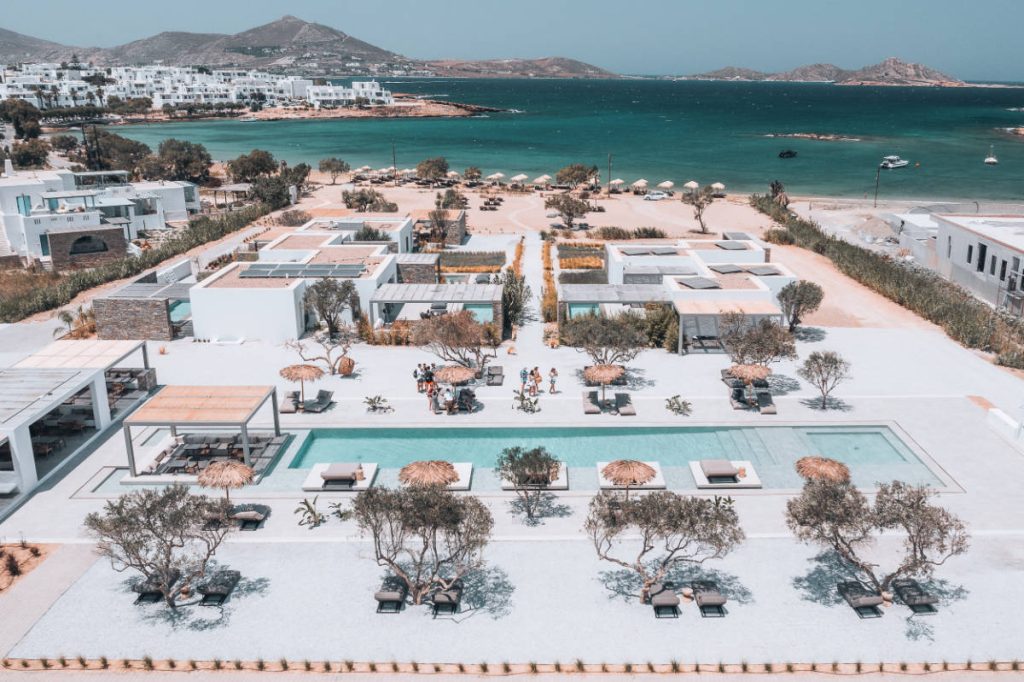
New buildings in Paros often follow traditional design rules:
- White facades
- Natural materials
- Low height
- Simple shapes
- Earth-tone accents
- Integration with landscape
This preserves the island’s visual identity.
Best Time to Explore Architecture
- Morning for soft light and fewer crowds
- Late afternoon for photography
- Spring and autumn for quiet walks
- Winter for authentic village atmosphere
Avoid midday summer heat when walking through villages.
Photography Tips
Paros architecture is ideal for photography.
Look for:
- Marble staircases
- Blue doors
- Bougainvillea against white walls
- Narrow alleys
- Church domes
- Village squares
Golden hour creates the best contrast and color.
Tips for Respectful Exploration
- Avoid entering private courtyards
- Keep noise low in villages
- Don’t block narrow paths
- Respect residential areas
- Ask before photographing people
- Support local shops and cafés
Villages are lived-in spaces, not just attractions.
From marble villages to whitewashed houses and historic churches, Paros architecture reflects centuries of island life and craftsmanship. Exploring these spaces reveals a deeper side of the island beyond beaches and nightlife. Whether walking through Lefkes, Parikia, or Naoussa, the architectural heritage of Paros offers a timeless and visually striking experience.
Paros Pet-Friendly Restaurants
Leave a Reply
You must be logged in to post a comment.